SEO
How long does SEO take to work? A realistic timeline for UK businesses
SEO is not instant, and anyone who promises page one in 30 days is guessing. Here is what usually happens in months one to twelve, and what changes the speed.
By Zafirox Tech Team · · 3 min read
"How long will it take?" is the first question most business owners ask about SEO, and the honest answer is: it depends. Google does not publish a timetable, and nobody outside Google can guarantee a ranking or a date. What we can do is explain what normally happens, why it varies and how to tell whether your SEO is on track.
The short answer
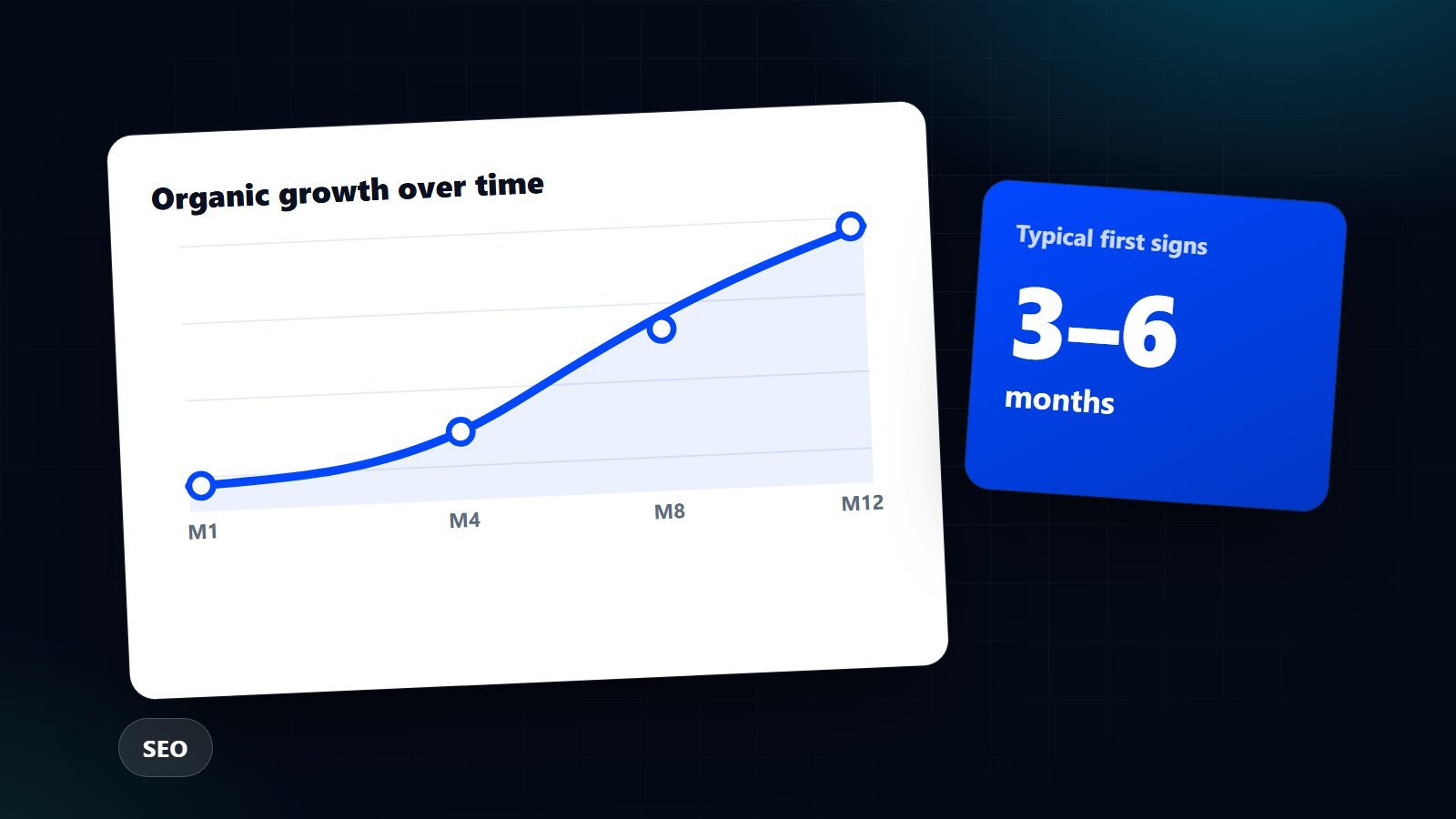
For a typical small business website, early signs of progress, such as more pages being indexed and rising impressions in Google Search Console, often appear within a few months. Meaningful growth in enquiries more commonly takes six to twelve months of consistent work. In very competitive markets it can take longer. Treat any promise of "page one in weeks" with suspicion.
Why SEO takes time
- Google has to find and process changes. New and updated pages must be crawled, indexed and then evaluated over time.
- Trust builds gradually. Search engines look at how a site is used, referenced and kept up to date. A new site has no history to draw on.
- Competitors are not standing still. You are ranking against sites that have spent years building content and links.
- Good content takes time to produce. Research, writing, review and publishing all need doing properly.
A realistic timeline
Month 1: audit and foundations
The work is mostly behind the scenes: checking that the site can be crawled, fixing technical problems, setting up Search Console and analytics, researching what your customers actually search for and deciding which page should target which topic. You should not expect traffic changes yet.
Months 2 to 3: fixes and first content
Titles, descriptions, headings and page copy are improved. Slow pages and broken links are fixed. New pages or articles start to appear. You may see more pages indexed and a rise in impressions for low-competition searches.
Months 4 to 6: early movement
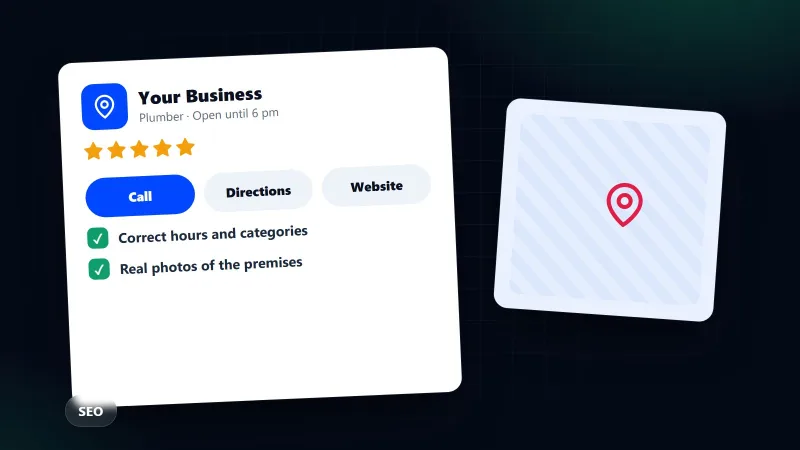
Pages begin to climb for longer, more specific phrases. For local businesses, an optimised Google Business Profile and a steady flow of genuine reviews can show results sooner than organic rankings. You may start to receive the first enquiries that clearly come from search.
Months 6 to 12: compounding growth
Content published earlier now has time to mature. Internal links, better structure and earned mentions from other sites strengthen the whole website. This is when many businesses see search become a reliable source of leads.
What makes SEO faster or slower
- Age and history of the domain. Established sites with a clean history usually move quicker than brand new ones.
- Competition. A plumber in a small town faces less competition than a national finance brand.
- Technical health. A site that is slow, blocked from search or full of duplicate pages needs repairs before anything else will work.
- Content quality and depth. Pages that clearly answer what searchers want tend to perform better than thin ones.
- Consistency. Regular, steady improvement beats a burst of activity followed by silence.
- Whether you have a site migration or redesign in progress. Changes of address and structure can cause temporary drops, which is why redirects matter.
How to tell if it is working
Look past rankings for single keywords, which fluctuate and differ between people and places. These measures are more useful:
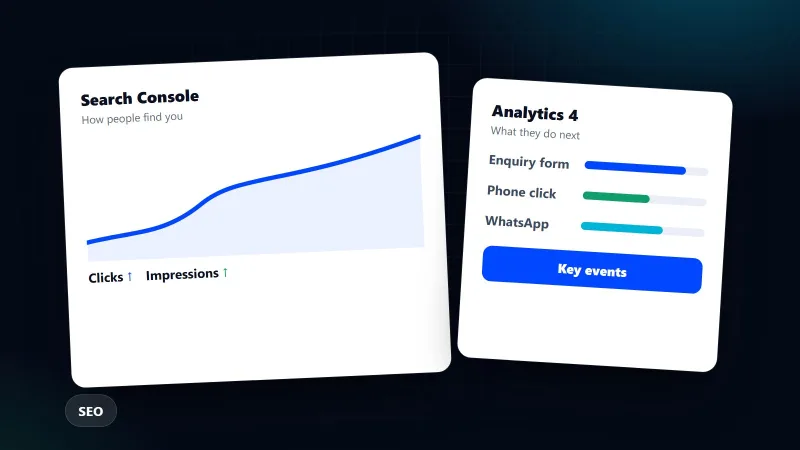
- Impressions and clicks in Google Search Console, month on month.
- The number of pages receiving organic visits.
- Enquiries, calls and form submissions that come from organic search.
- Rankings for a small set of important phrases, tracked over time rather than checked daily.
Red flags when someone quotes you a timescale
- A guaranteed ranking or position.
- A claim to have a special relationship with Google.
- No explanation of what work will actually be done each month.
- Reporting that shows only activity, not traffic or enquiries.
Where to start
The fastest improvements usually come from fixing the foundations. Our technical SEO checklist is a good place to begin, and if customers find you by location, read our local SEO guide. If you would like an honest view of where your site stands and a plan with realistic expectations, see our technical and on-page SEO service or get in touch.